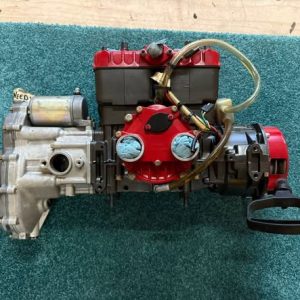
The Rotax 582 “Blue Head” RAVE Engine – Built by Rotax Rick combines familiar Rotax architecture, liquid cooling, compact construction, and installation potential for an appropriately matched light aircraft.
Accurate use of Rotax 582 Blue Head, Rotax 582 Blue Head RAVE Engine, and Rotax 582 Aircraft Engine keywords improves visibility without overstating current serviceability.
These related keywords help connect the listing with aircraft builders, sport pilots, engine specialists, and aviation parts buyers.
Accurate descriptions help customers compare engine condition, accessories, installation needs, maintenance records, and commercial value.
These keywords support relevant SEO while preserving responsible guidance for aviation engine selection.
Key Details of the Blue Head Powerplant
Every model suffix, serial marking, gearbox designation, modification, and replacement component should be recorded because similar Rotax engines may differ internally or externally.
Strong traceability improves the commercial value of the Rotax 582 Blue Head RAVE Engine.
Understanding the Builder’s Role
Clear builder documentation strengthens the engine listing and supports future maintenance planning.
Any remaining break-in requirements, operating limitations, fuel recommendations, or follow-up inspections should be disclosed.
RAVE System and Power-Valve Configuration
Carbon deposits, sticking components, damaged diaphragms, incorrect assembly, or worn parts can affect system operation.
RAVE-system condition should be included in maintenance and pre-purchase records.
Managing Two-Stroke Aviation Requirements
Its dependable operation depends on correct fuel, lubrication, carburetion, ignition, cooling, exhaust, loading, and maintenance.
The buyer should determine whether the engine uses oil injection, premixed fuel, or another documented lubrication arrangement.
Aircraft Engine Temperature Management
A freshly painted blue head does not establish the condition of the internal coolant passages or cooling components.
The radiator should be sized and positioned appropriately for the aircraft installation and expected airflow environment.
Understanding the Rotax 582 Internal Layout
The two-cylinder configuration combines a compact engine layout with coordinated crankshaft, piston, cylinder, induction, exhaust, and ignition operation.
Differences between cylinders can indicate ring, piston, cylinder, seal, or measurement concerns that require further evaluation.
Managing Fuel Flow to Both Cylinders
Complete carburetor preparation supports smoother Rotax 582 engine operation.
The engine should not be run under load until the complete fuel system has been evaluated.
Inspecting Coils, Wiring, and Spark Plugs
Ignition modules, coils, leads, spark-plug caps, plugs, grounds, switches, and connectors should be identified and inspected individually.
Ignition checks should be completed through controlled procedures appropriate to the engine and aircraft installation.
Matching Engine Speed to Propeller Speed
The exact gearbox model, ratio, serial information, service history, and included components should be confirmed before purchase.
Service records should identify oil changes, inspections, component replacement, and operating hours where applicable.
Two-Stroke Expansion Chamber Considerations
The buyer should confirm whether the engine package includes the complete exhaust system.
Exhaust components should be inspected for cracks, corrosion, dents, failed welds, loose springs, worn joints, heat damage, and evidence of airframe contact.
Managing Aircraft Weight and Balance
Published dry-engine weight should not be confused with complete installed-system weight.
System-level planning protects the value of the Lightweight Aircraft Engine installation.
Ultralight and Experimental Aircraft Applications
The builder should review the aircraft designer’s engine recommendations and installation requirements.
The engine should remain accessible for inspection, carburetor service, spark-plug replacement, coolant checks, and gearbox maintenance.
Matching the Engine to a Light Sport Project
The phrase Light Sport Aircraft Engine should be used carefully because aircraft eligibility and engine suitability depend on the exact aircraft, operating category, documentation, and applicable requirements.
Responsible documentation supports long-term Light Sport Aircraft Engine value.
Documenting Time Since Build
The seller should disclose total engine time, time since the documented build, time on the crankshaft, time on the gearbox, and time on major replacement components when known.
Storage after building or removal should also be documented, including preservation and environmental conditions.
Engine Run Testing and Performance Evaluation
A brief start-up video does not establish performance throughout the full operating range.
Test results should document temperatures, engine speed, ignition checks, coolant behavior, fuel leaks, exhaust condition, and any abnormal indications when appropriate.
Inspecting Rotax 582 Engine Health
Mechanical evaluation may include compression checks, cylinder inspection, crankshaft assessment, seal review, bearing evaluation, plug inspection, and examination for leaks or abnormal deposits.
Unknown internal condition should be disclosed clearly.
Aircraft Engine Buying Guide
A detailed review reduces unsuitable purchases and unexpected installation expenses.
- Compare the engine with the receiving aircraft’s mount, weight-and-balance needs, gearbox ratio, propeller requirements, cooling system, exhaust, fuel delivery, controls, electrical system, and cowling.
- Inspect the engine for corrosion, coolant staining, fuel leakage, oil residue, damaged wiring, cracked hoses, loose fittings, impact marks, missing hardware, and unauthorized modification.
- Confirm the invoice, payment protection, shipping method, freight insurance, inspection period, return conditions, and stated engine status.
Shipping and Storing the Rotax 582
The engine should be secured to a suitable shipping base or crate that supports its weight without loading delicate carburetors, fittings, wiring, cooling connections, or exhaust components.
Fuel and coolant residues should be managed according to the planned storage procedure.
Professional Experimental Aircraft Engine Installation
Improvised mounting or unsupported accessories can create structural, vibration, leakage, and control concerns.
Throttle and enrichment controls should move smoothly through the intended range without binding or unequal carburetor travel.
Abnormal vibration, temperature, noise, leakage, ignition drop, or throttle response should receive immediate investigation.
Protecting the RAVE Aviation Engine
Long-term maintenance includes inspection of spark plugs, carburetors, fuel lines, filters, cooling hoses, coolant, read more ignition parts, RAVE components, exhaust supports, gearbox, mounts, wiring, and leaks.
Preventive maintenance protects both the powerplant and the complete aircraft installation.
Buying a Specialist-Built Blue Head Engine
A documented specialist build can add value when the scope, components, measurements, and test results are described accurately.
The lowest purchase price may not represent the lowest installed cost when major accessories or records are missing.
Buying a Specialist-Built RAVE Engine
The Rotax 582 “Blue Head” RAVE Engine – Built by Rotax Rick offers stronger commercial value when its serial number, internal components, builder records, hours, gearbox, run-test status, and accessories are described accurately.
The powerplant should not be judged solely through blue heads, clean paint, a 65HP description, builder recognition, or purchase price.
Whether the engine is purchased for replacement, restoration, a kit-built aircraft, gyrocopter, powered parachute, recreational aircraft, or spare inventory, transparent information and responsible oversight provide the strongest foundation.
With verified identity, documented internal components, suitable mechanical condition, professional installation, organized records, and routine maintenance, the engine can provide dependable long-term value.